Reactive dog trainers in the US
Every trainer is labelled by how they train and ranked by member recommendations and Bark Score. Nobody can pay to move up.
- 44%train force-free
- 81%offer private or in-home sessions
- 50hold a behaviour credential
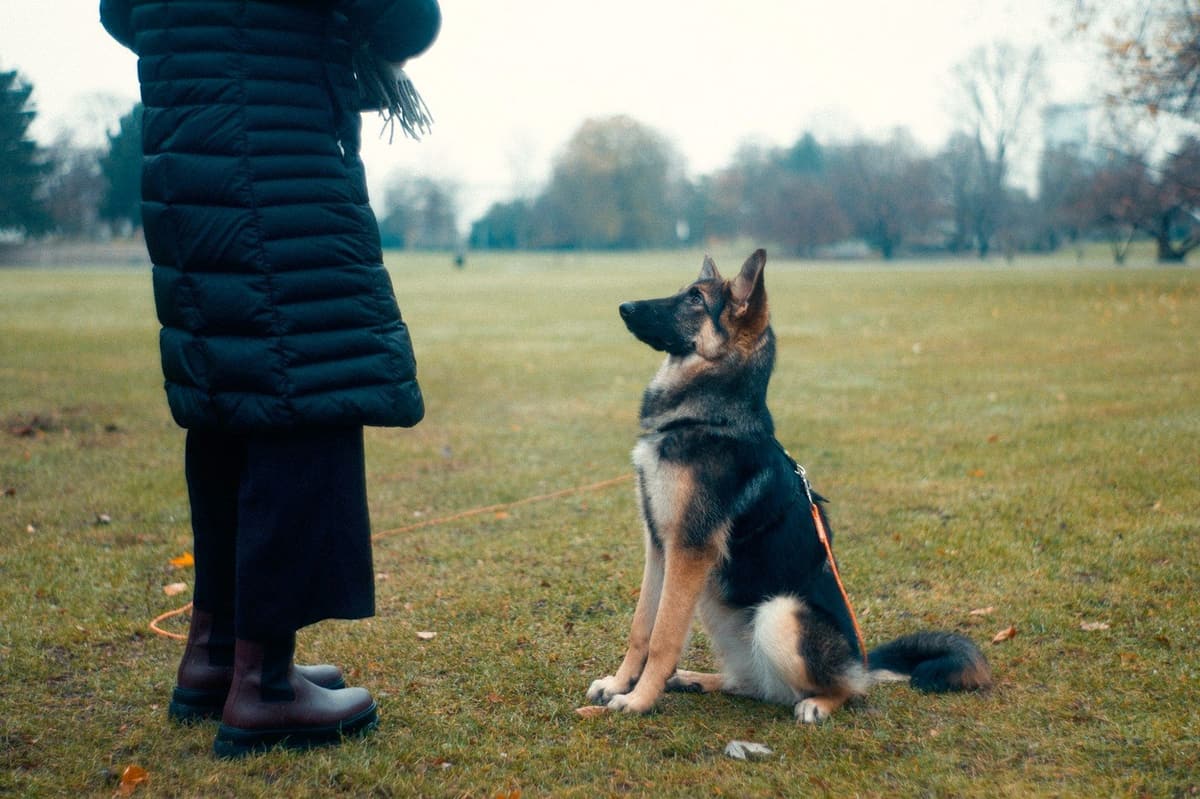
Top rated reactive dog trainers in the US
Ranked by member recommendations, then Bark Score. How we score
- Beyond the Dog, LLCHouston, Texas
4.9/ 5 Bark ScorePlatinum Certified Trainer
- Methods
- Force-free
- Credentials
- CPDT-KA
- Sessions
- Online/virtual, board & train
- Canine Ph.D. Dog Training, IncDecatur, Georgia
4.9/ 5 Bark ScorePlatinum Certified Trainer
- Methods
- Force-free
- Credentials
- CPDT-KA, CBCC-KA, CPDT-KSA
- Sessions
- Group class, private 1:1, board & train
- East Bay Dog Spot Dog TrainingGulf Breeze, Florida
4.9/ 5 Bark ScorePlatinum Certified Trainer
- Methods
- Force-free
- Credentials
- CPDT-KA
- Sessions
- Private 1:1, group class
More top reactive dog trainers in the US
Reactive Dog Trainers in the US, by the numbers
- 1,279reactive dog trainers listed in the US
- 44%train force-free
- 81%offer private or in-home sessions
- 50hold a behaviour credential (CBCC-KA or CDBC)
How they train
- Force-free
- 44%
- Balanced
- 13%
- E-collar-centric
- 7%
- Not stated
- 37%
How you can train with them
- Private 1:1
- 78%
- Group class
- 52%
- Board & train
- 42%
- In-home
- 23%
- Online/virtual
- 16%
Credentials held
- CPDT-KA, Certified Professional Dog Trainer, Knowledge Assessed
- 19%
- KPA-CTP, Karen Pryor Academy Certified Training Partner
- 4%
- CBCC-KA, Certified Behavior Consultant Canine, Knowledge Assessed
- 3%
- CPDT-KSA, Certified Professional Dog Trainer, Knowledge and Skills Assessed
- 1%
- IAABC-ADT, Accredited Dog Trainer
- 1%
Counted from all 1279 trainers on this list, from what their listings say.
How to choose a reactive dog trainer
What a reactive dog is, what good reactivity training looks like, and what to ask a trainer before you book.
[Draft: awaiting accuracy review]
What is a reactive dog?
A reactive dog responds more strongly than the situation calls for: barking, lunging, growling or spinning at the end of the lead when they see a trigger.
Common triggers are other dogs, people, bikes, cars and sudden noises. Most reactive dogs aren’t aggressive. The outburst usually means the dog is frightened, frustrated or overwhelmed, and it often happens on the lead, when they can’t move away or go and say hello.
Why is my dog reactive?
Reactivity can come from genetics, early experiences, a bad encounter or a dog who simply finds the world a lot to take in. It’s common, and it’s nobody’s fault.
Many dogs are reactive on the lead but calm off it. A lead stops a worried dog from putting distance between themselves and what scares them, and stops a sociable dog from reaching what they want to greet. Both can boil over into barking and lunging.
Can pain or illness make a dog reactive?
Yes. Pain and illness can make a dog more reactive, so see your vet before you start training if the reactivity is new or something else has changed.
Signs worth mentioning to your vet: reactivity that started suddenly, an older dog, or changes in sleep, appetite or how your dog moves. A good trainer will ask about this.
If your dog has bitten, or the reactivity is severe, ask your vet about a veterinary behaviourist. They are vets with specialist training in behaviour, and they can prescribe medication when it would help, which a trainer can’t.
How do you train a reactive dog?
Most reactive dog training happens below the point where your dog reacts, changing how they feel about their triggers one small step at a time.
- Management
- Changing walks so your dog meets their triggers less often, and from further away, while they learn: quieter routes and times, more space, and a plan for turning away.
- Desensitisation and counter-conditioning
- Pairing the sight of a trigger with something your dog loves, at a distance where they can stay calm, then slowly closing the gap.
- Teaching something else to do
- Looking at you, turning away or sniffing the ground instead of reacting. Named approaches include Behavior Adjustment Training (BAT) and Look at That (LAT).
Expect short sessions, homework for you, and progress in small steps. A trainer should be able to explain what they are doing and why.
Should you use a prong collar or e-collar on a reactive dog?
Reward-based training is the safer choice. Corrections can stop the barking without changing the fear behind it, and can teach a dog to stop warning before they bite.
The American Veterinary Society of Animal Behavior recommends reward-based training only, and warns that aversive methods can harm a dog’s welfare and the bond with their owner. That’s why every trainer on Barklopedia is labelled by method:
- Force-free
- Rewards and positive reinforcement, no aversive tools.
- Balanced
- Rewards combined with corrections such as lead pops or prong collars.
- E-collar-centric
- Training built around an electronic collar.
- Not stated
- The listing doesn’t say. Ask before you book.
Private lessons or group classes for a reactive dog?
Start with private lessons, at home or on your own walking routes, where the trainer can see what sets your dog off.
An ordinary group class can be too much for a reactive dog. Some trainers run small classes made for reactive dogs, with screens and plenty of space between dogs; ask whether a class is designed for this.
Some trainers offer board and train, where your dog stays with them. If you consider it, ask how your dog is trained while away, how you’ll be shown to carry it on at home, and whether you can visit.
What qualifications should a reactive dog trainer have?
Look for an independent behaviour credential: anyone can call themselves a dog trainer in the US, because there is no licence.
- CBCC-KA
- Certified Behavior Consultant Canine, from the CCPDT. Focused on behaviour problems such as fear and aggression.
- CDBC
- Certified Dog Behavior Consultant, from the IAABC. Also focused on behaviour problems.
- CPDT-KA, CPDT-KSA
- Certified Professional Dog Trainer, from the CCPDT. General training knowledge; the KSA adds a hands-on skills assessment.
- KPA-CTP
- Karen Pryor Academy Certified Training Partner. Reward-based training.
- Veterinary behaviourist
- For severe cases, through your vet. In the US, a diplomate of the American College of Veterinary Behaviorists.
What should I ask a reactive dog trainer?
Ask how they train, what they do when a dog reacts, and how you’ll know it’s working.
- What will you do if my dog reacts during a session?
- Do you use prong collars, choke chains, e-collars or lead corrections?
- How do you work out the distance my dog can cope with?
- What will I be practising between sessions?
- Have you worked with dogs who react to the same things as mine?
- When would you suggest we involve a vet or a veterinary behaviourist?
Be wary of anyone who guarantees a fix, promises fast results, or says your dog is being dominant.
How long does it take to train a reactive dog?
There’s no set time: reactivity usually improves gradually, over weeks and months rather than days.
Progress looks like your dog noticing a trigger and recovering faster, reacting from closer, or reacting less often. Setbacks are normal, especially after a stressful day. Many reactive dogs go on to enjoy calm walks with a few sensible habits kept in place, even if they never love every dog or person they meet.
Owners talking about it on the forum
By state
- Reactive Dog Trainers in Alabama 12
- Reactive Dog Trainers in Alaska 5
- Reactive Dog Trainers in Arizona 21
- Reactive Dog Trainers in Arkansas 7
- Reactive Dog Trainers in California 119
- Reactive Dog Trainers in Colorado 63
- Reactive Dog Trainers in Connecticut 17
- Reactive Dog Trainers in Delaware 3
- Reactive Dog Trainers in District Of Columbia 5
- Reactive Dog Trainers in Florida 83
- Reactive Dog Trainers in Georgia 21
- Reactive Dog Trainers in Hawaii 1
- Reactive Dog Trainers in Idaho 7
- Reactive Dog Trainers in Illinois 40
- Reactive Dog Trainers in Indiana 15
- Reactive Dog Trainers in Iowa 13
- Reactive Dog Trainers in Kansas 9
- Reactive Dog Trainers in Kentucky 12
- Reactive Dog Trainers in Louisiana 4
- Reactive Dog Trainers in Maine 12
- Reactive Dog Trainers in Maryland 21
- Reactive Dog Trainers in Massachusetts 48
- Reactive Dog Trainers in Michigan 30
- Reactive Dog Trainers in Minnesota 30
- Reactive Dog Trainers in Mississippi 4
- Reactive Dog Trainers in Missouri 19
- Reactive Dog Trainers in Montana 6
- Reactive Dog Trainers in Nebraska 3
- Reactive Dog Trainers in Nevada 7
- Reactive Dog Trainers in New Hampshire 16
- Reactive Dog Trainers in New Jersey 25
- Reactive Dog Trainers in New Mexico 7
- Reactive Dog Trainers in New York 69
- Reactive Dog Trainers in North Carolina 65
- Reactive Dog Trainers in North Dakota 6
- Reactive Dog Trainers in Ohio 56
- Reactive Dog Trainers in Oklahoma 13
- Reactive Dog Trainers in Oregon 30
- Reactive Dog Trainers in Pennsylvania 46
- Reactive Dog Trainers in Rhode Island 12
- Reactive Dog Trainers in South Carolina 24
- Reactive Dog Trainers in South Dakota 4
- Reactive Dog Trainers in Tennessee 27
- Reactive Dog Trainers in Texas 79
- Reactive Dog Trainers in Utah 21
- Reactive Dog Trainers in Vermont 7
- Reactive Dog Trainers in Virginia 48
- Reactive Dog Trainers in Washington 57
- Reactive Dog Trainers in West Virginia 3
- Reactive Dog Trainers in Wisconsin 23
- Reactive Dog Trainers in Wyoming 4